We supply high-quality AEDs and First Aid Kits to prepare your workplace for emergencies. Our products are reliable, easy to use, and essential for maintaining safety. Equip your team with the best tools to handle medical emergencies promptly and effectively, enhancing workplace safety and readiness.
The appropriate equipment can save your life in an emergency. AEDs and first aid kits are vital for stabilizing people until medical help arrives. Homes, businesses, schools, and public areas need high-quality AEDs and First Aid Kits for various medical crises.
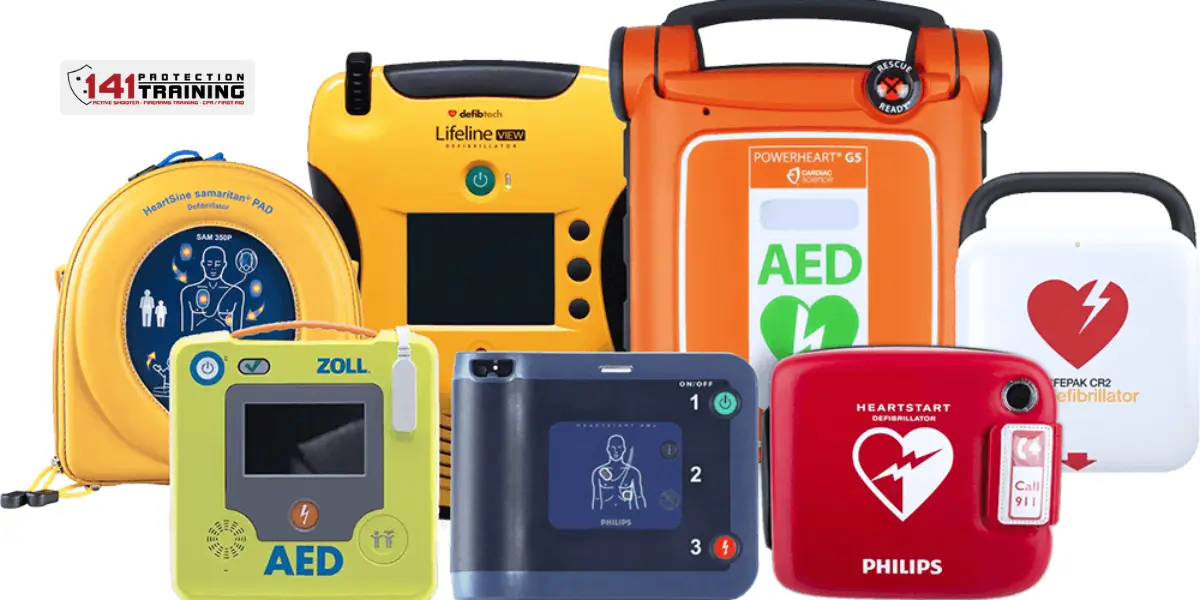
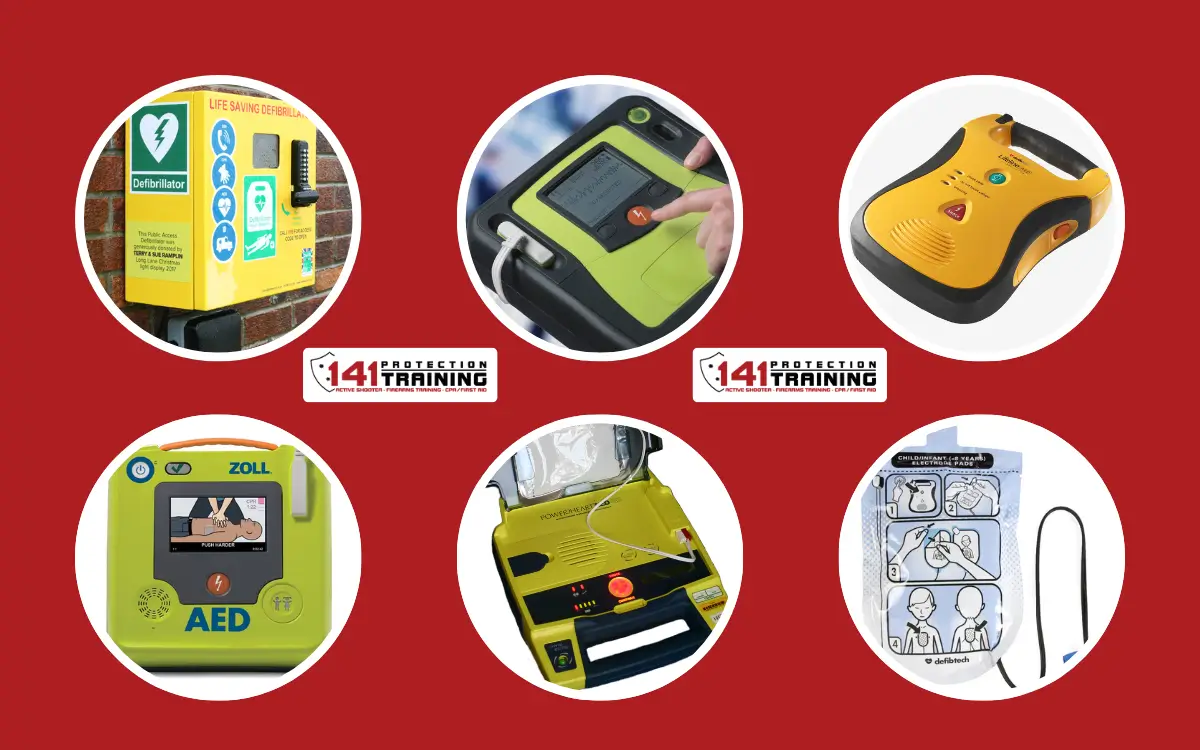
AEDs are portable devices that treat sudden cardiac arrest (SCA). They evaluate the heart’s rhythm and perform an electric shock to restore it. Choose the finest AED by considering battery life, convenience, and maintenance. AEDs with clear voice instructions and visual indicators are accessible for non-medical people.
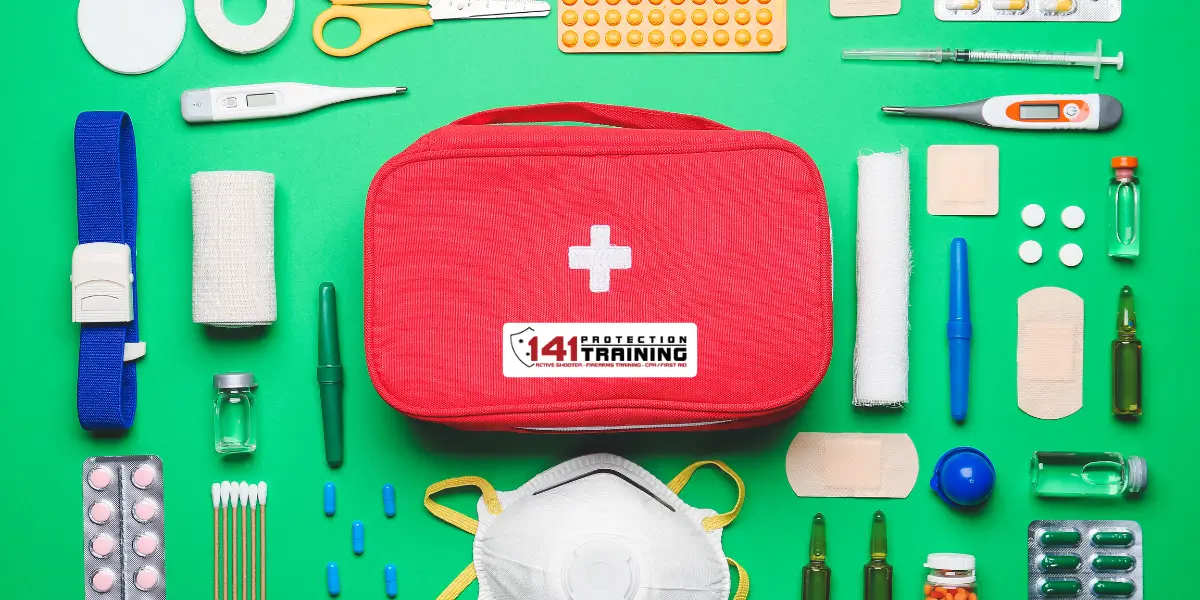
First Aid Kits, on the other hand, contain materials for many injuries and illnesses. A well-stocked First Aid Kit should include bandages, antiseptic wipes, gauze pads, adhesive tape, scissors, tweezers, gloves, and a CPR face shield.
AEDs and First Aid Kits are essential emergency supplies. Their presence can enable others to act quickly and boldly during medical situations, saving lives and limiting damage. Regular training and checks to ensure these instruments work are also crucial. By purchasing the best AEDs and First Aid Kits, you are preparing for medical emergencies and being more prepared.
If you need additional information then please click on phone/email button for direct call/email.
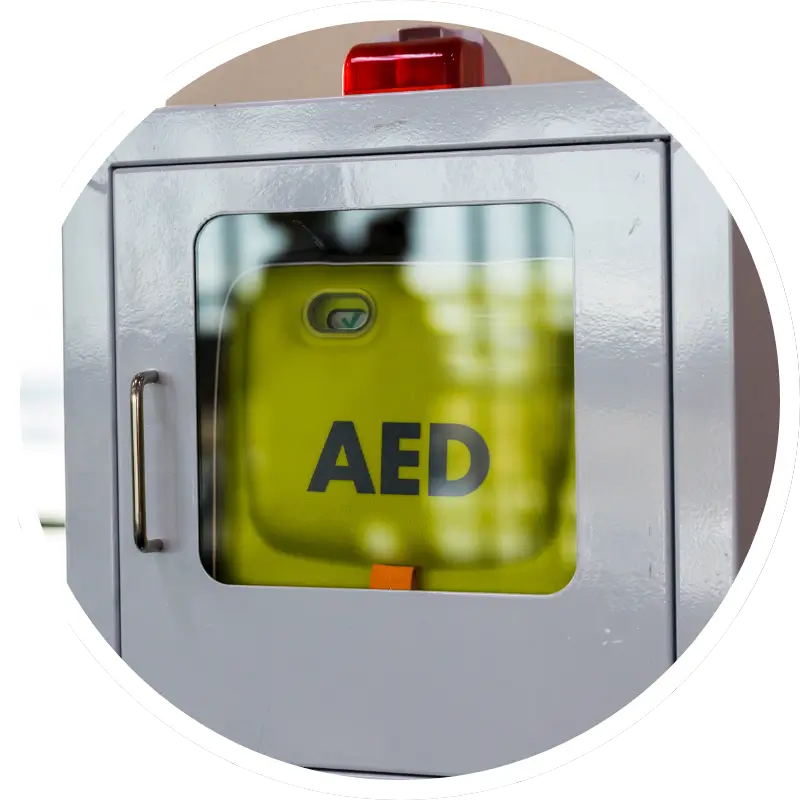
An Automated External Defibrillator (AED) is a portable medical device that treats sudden cardiac arrest (SCA). This life-saving technology assesses the heart’s rhythm and shocks it to restore it. User-friendly AEDs are available to the public, not just healthcare experts. Every minute without defibrillation lowers survival by 10%. Thus, having AEDs at schools, companies, gyms, and airports may significantly impact the situation. AEDs can save lives by intervening during cardiac arrests before emergency care services arrive.
First Aid Kits:
First aid packs contain vital medical materials and equipment for rapid injury and disease treatment. They assist in treating minor injuries like cuts, burns, and sprains and provide initial care in more critical circumstances until medical aid arrives. An excellent first-aid pack includes bandages, adhesive tape, antiseptic wipes, gauze pads, scissors, tweezers, and painkillers. A home kit may cover typical domestic accidents, whereas a workplace kit will handle workplace dangers.
The experience was great. I went with the mindset of just gey this over. I came out with a different mindset. This is a very important class. Everyone should take this class from 141 shooting range. He knows his stuff and you feel confident when you leave. Awesome e CPR class.
The 141 Protection CPR/AED training was one that people can remember. The instructor brought the course to life with a realistic truth that many instructor lack today. I would recommend him to anyone that is thinking about taking any of these courses in the future. I can honestly say he love and believe in what he does.
Very professional and informative. Would recommend to anyone in safety or security of your church. Logan is a natural teacher, his methods are very easy to make real world applications.
If you want straight forward to the point no fluff teaching 141 is the way to go. Logan is a great instructor who tries to get his students to think critically about everything he teaches. I would definitely recommend him if you are looking for self defense knowledge.
I attended a self defense training course at 141 in Marmaduke. Logan is a subject matter expert and is very passionate about ensuring proper understanding of his students. Logan utilized practical examples as well as real world tactics to further my knowledge. I look forward to increasing my expertise and including my family in additional educational opportunities he provides.
Response from the owner
1 year ago
Thank you for your rating and review!
Types of AEDs
Public Access AEDs:
Non-medical personnel utilize Public Access AEDs in public. These AEDs are easy to operate and provide vocal and visual signals for defibrillation. Airports, schools, gyms, and retail centers have them. Due to their simplicity and accessibility, bystanders can utilize them in emergencies.
Professional AEDs:
Medical professionals, including paramedics, physicians, and nurses, utilize professional AEDs. These AEDs have ECG monitoring, manual override, and more energy shock delivery than public-access ones. Hospitals, ambulances, and other healthcare settings with qualified staff employ professional AEDs.
Semi-Automatic AEDs:
After analyzing the cardiac rhythm and recommending defibrillation, semi-automatic AEDs require the operator to click a button. This AED lets the responder ensure no one touches the patient before using the shock, improving defibrillation safety.
Fully Automatic AEDs:
Fully automatic AED shock without a button push. The gadget alerts onlookers and shocks when it identifies a shockable cardiac rhythm. In stressful situations, this AED aids users who are too fearful or inexperienced to use the shock button.
Portable AEDs:
Lightweight, small, and portable AEDs are easy to travel with. These devices work well in ambulances, emergency response vehicles, and cardiac patients. Their mobility makes lifesaving defibrillation available in varied contexts, improving cardiac arrest survival.
Pediatric AEDs:
Pediatric AEDs are for newborns and children. These devices usually have kid pads or settings that lower shock energy for younger patients. For proper children’s treatment, schools and clinics need pediatric AEDs.
Places where an AED should be:
Educational Institutions:
Schools, colleges, and universities have many students, staff, and visitors daily. AEDs safeguard young and old by responding quickly to cardiac crises due to age and physical activity.
Sports Facilities and Gyms Explanation:
AEDs are essential in situations where vigorous activities might cause cardiac episodes. AEDs at gyms, sports stadiums, and recreation facilities can save lives in sudden cardiac arrest.
Airports and Transportation Hubs:
Airports, bus stops, and train stations often see high foot traffic and various demographics, including those with pre-existing health concerns. These AEDs provide instant aid, which is crucial considering the probable delay in medical intervention.
Shopping Centers and Malls Explanation:
Shopping centers draw numerous daily visitors, especially the elderly and those with cardiac issues. In crowded and typically large places, AEDs can improve cardiac emergency outcomes.
Workplaces and Offices Explanation:
Stress and underlying health issues can cause cardiac crises in the workplace. AEDs in office buildings help employees and visitors instantly, potentially lowering fatalities and improving workplace safety.
Public Parks and Recreation Areas Explanation:
These areas provide physical activity and social meetings. AEDs in these areas protect outdoor enthusiasts and large numbers of public eventgoers from cardiac arrest.
Hotels and Resorts:
Hotels and resorts accommodate customers from varied backgrounds, including those with health risks. On-site AEDs improve visitor safety and emergency preparation by providing cardiac emergency assistance.
Enormous Event Venues:
Concert halls, theaters, conference centers, and others accommodate enormous crowds. AEDs provide speedy cardiac event response in densely populated areas.
Places for First Aid Kits:
Many places need first aid kits to treat accidents and medical emergencies. First aid kits should be available at schools and educational institutions for minor cuts and significant injuries. Occupational health and safety standards require first aid kits in all workplaces. Gyms and sports facilities need first aid kits to treat sprains, strains, and other sports injuries. Getting first aid kits on buses, trains, and airports improves passenger safety. Home first aid kits enable prompt care for family members in accidents or medical situations. Finally, parks, hiking trails, and campgrounds should include first aid kits for outdoor injuries and visitor safety.
An AED (Automated External Defibrillator) is a portable device that analyzes the heart’s rhythm and delivers an electric shock, if necessary, to help restore a normal heartbeat.